|
The Feel-Good Guide to Sports, Travel, Holidays & Entertainment
|

| Main | Sports Events | Holidays & Observances | Pop Culture | Travel |
|
MAIN How to Make Homemade Fig Jam
Although I learned some tricks that I will share later to save you all from making the same mistakes. The book I looked in was the Ball Blue Book, The Guide to Home Canning and Freezing. I looked up fig jam and saw that it was very simple. Fig
Jam To prepare chopped figs: Cover figs with boiling water. Let stand 10 minutes. Drain, stem, and chop figs. 1. Combine figs, sugar and ¼ cup of water in a large sauce pot. The process looked great to me except I though that it was a lot of sugar and also I did not have five pounds of figs. I had about one pound of the small green figs. I followed the directions at first and then did my own thing. I used only about ¾ cup of sugar and 2-3 cups of water. I quartered the figs rather than chop them and I found that they were still tough after the initial water was evaporated. So I continued to add water until I liked the consistency of the fig mixture. I added less sugar than the recipe called for because I wanted the jam to taste natural, rather than sweet.
The filled jar was inverted while hot and wrapped in a dishcloth to sit overnight. I didn't boil it in a water bath because I don't plan on keeping it for very long and hope the seal took with the heat of the jam. Also, I had jarred some applesauce that same day and had those two jars in the same pot inverted and wrapped in a dishcloth. I figured the heat from the three jars was enough to seal the preserves. In the past when I made strawberry and grape preserves, I learned a few tricks. Grape was the first jelly I ever made and the first time I ever used pectin. All I did was follow the recipe in the pectin package. After that time I learned that there is light pectin for those who want to use less sugar and still get the firm jelly. The strawberry jam was better; we used the pectin light and found it to firm up with out using so much sugar. But the fig jam seems to be the best of all three. I think the trick is to really let it boil until the desired thickness. Cooking is always such an adventure, which is what makes it fun for me! About the Author... © - Roseanne Cantisani More about fig jam around the Web: Drunken Fig Jam (with Brandy) Recipes
|

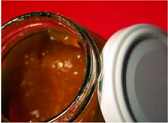 On Thursday last week I looked in the refrigerator and saw the plate full of figs were starting to turn brown. Neither my husband
or I are big fig eaters but I still didn't want them to be wasted. I checked an old preserving book that my mother gave me not
long ago to see about making jam with the figs. In the past
I experimented with strawberry and grape jam, which were both
a great success.
On Thursday last week I looked in the refrigerator and saw the plate full of figs were starting to turn brown. Neither my husband
or I are big fig eaters but I still didn't want them to be wasted. I checked an old preserving book that my mother gave me not
long ago to see about making jam with the figs. In the past
I experimented with strawberry and grape jam, which were both
a great success.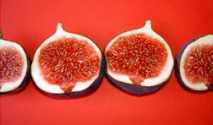 Once the figs were tender I noticed that they had all turned
an even green color rather than a bit spotty when I started. I understand that when the small spots form, as in bananas, the natural sugar in the fruit is changing and rising to the skin as the fruit ripens. As the figs cooked the sugar dissolved into the jam causing most of the spots to vanish.
Once the figs were tender I noticed that they had all turned
an even green color rather than a bit spotty when I started. I understand that when the small spots form, as in bananas, the natural sugar in the fruit is changing and rising to the skin as the fruit ripens. As the figs cooked the sugar dissolved into the jam causing most of the spots to vanish.


