 |
||
|
The Feel-Good Guide to Sports, Travel, Shopping & Entertainment
|
||
| MAIN | Sports Events | Holidays & Observances | Pop Culture | Shopping | Travel |
|
MAIN
Hidden Jewels of The North Atlantic - The Azores
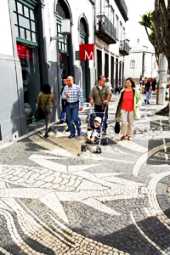
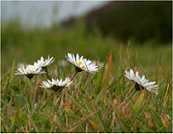
Ask someone if they know about the Azores and there may be quite a pause before the discussion continues. Do try to be patient. It's a topic worth the wait. No less than nine little flower-covered islands - of lakes and waterfalls, volcanic cones and craters - lie smack bang in the middle of the North Atlantic Ocean, each one with distinctly individual characteristics, and each one a mini-paradise unto itself. The Azores are, as yet, largely undiscovered by the North American tourist, because, for one thing, it is usually well into the dark night when Europe-bound airliners pass over at 30,000 feet. And yet, a vacation here for resorting, sailing, cycling, golfing, cottaging, hiking, surfing, star watching, nature-gazing - or simply just for good food and Portuguese wine - is far less expensive than the equivalent on the mainland. The Azores Islands are located in the Atlantic Ocean, about two hours flying time and 930 miles (1500 Km) from Lisbon, and about five hours flying time and 2422 miles (3900 Km) from the eastern coast of North America. These European flavoured islands are only a few hours flight from most major cities in the Eastern USA & Canada, and perhaps better still, a very different kind of Portuguese adventure awaits.
The 9 islands of the Azores archipelago are divided into three groups:
First impressions are the clincher, so be sure to take a good look from the window as you come in to land. All around, the exaggerated colors and contours of Sao Miguel - as well as Santa Maria, Terceira, Graciosa, Sao Jorge, Pico, Faial, Flores, and Corvo - will appear like it was plucked from the coloring book of a child. The name Azores comes from the archaic Portuguese word "azures" the plural of the word blue and only the greenest crayon colors could recreate the high rounded hills that roll, at whim, into deep plunging valleys - plus a deep line of chocolate brown to sketch in a checkerboard of little fields all over the rolling landscape. About The Author... Jane Stokes Source: www.newscanada.com More about the Azores around the Web:
|


Privacy | Mission Statement | Contact
us | Sitemap
All contents copyright © Chiff.com 1999 - 2023