Advertise with us


What the World is Looking for
Chiff.com Web Guide

Gold Star Surfing Safety TipsGold Star Surfing Safety EquipmentGold Star Surfiing AdviceGold Star Surfing Tips


Looking for something?              
Main
Articles
Art & Culture
Business
Cooking
Education
Fashion
Health
Holidays
Home Life
Legal Guide
Party Ideas
Pets
Pop Culture
Recipes
Recreation
Science
Shopping
Society
Sports
Technology
Tax Guides
Toy Reviews
Travel Guides
Wine Guides
Your Money

MAIN Arrow to Recreation Recreation Arrow to BeachesBeaches Arrow to Surfing Surfing Arrow to Surfing Safety Surfing Safety

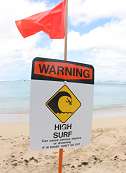
red flag high surf warning
"If in doubt, don't go out,"
especially with red flag
warnings posted.

Learning to surf for beginners is all about technique and, most importantly, safety.

If you're surfing instructor is too eager to get you out in the ocean without a thorough grounding in surfing safety, then it may be time to find a better surfing school.

Surfing should be fun (why else do it?), but a healthy fear and respect for what the ocean can do will keep you on top of the waves instead of constantly wiping out (or worse).

Knowing the rules of surfing safety will also protect those around you.

Basic surfing safety tips

Here are some basic tips for staying safe in the surf that should become second nature after you've had a little experience:

• Be sure of your swimming abilities and overall fitness. Since surfing is physically demanding, warming up on shore beforehand is highly recommended.

• Never go surfing alone. Always take a friend, or choose a spot where there are other surfers who can help out if you get into trouble.

• "If in doubt, don't go out." Always check the tides and the weather forecast before you head to the beach, and pay close attention to any red flag warnings or safety alerts. Or, ask a lifeguard.

• Paddle around other surfers who are heading toward shore, and keep a good distance from other surfers at all times. This is not only good surfing etiquette, but will also help you avoid collisions.

• Keep a close grip and avoid ditching your board under any circumstance. If you're headed for a fall, crouch down and hold onto the rails to keep your board from becoming a flying missile, and a danger to yourself and others.

In addition to a beginner surfboard (a longboard, for added stability), your surfing gear should also include a strong ankle leash, a rashguard, appropriate sun protection, and depending on climate conditions, a wet-suit complete with hood, gloves and boots.

Around the Web, get a complete online education on how to surf safe, with tips on how to begin, what gear and equipment you'll need, as well as advice on mastering the wild surf to make it a fun - and safe - summer playground.

Have fun!

More surfing safety tips around the Web:


Surfing Handbook - Ocean Safety - The online surfing bible with extensive knowledge on how to stay safe, with tips on reading waves and currents, the surrounding landscape, with advice on avoiding other surfers and dangerous sea creatures like sharks and jellyfish.

The Official Surf Guide of Hawaii - Ocean Safety - A good checklist of what to do to stay safe, and what to avoid, with related photos.


Surfing Safety - SurfHow.com guide to how to read the beach, preparation tips, advice on how to escape a rip current, and related danger warnings and safety advice.


Sponsored Links

Sponsored Links


Like this page? E-mail it to a friend: E-mails are not recorded. Read our privacy policy


chiff.com - You're Guide to the Best Sites

Privacy  |  Mission Statement  |  Contact us |  Sitemap  |  Advertise with Us

All contents copyright © Chiff.com 1999 - 2012