|
The Feel-Good Guide to Sports, Travel, Holidays & Entertainment
|

| Main | Sports Events | Holidays & Observances | Pop Culture | Travel |
| Main Canadian Christmas Fun Facts
For example,
Canada was first introduced to the Christmas tree in 1781 in Sorel, Quebec, by a German immigrant, Baron Friederick von Riedesel. Of course, Christmas is also the time of year when Canada's stores are packed with shoppers looking for holliday eats, sporting goods, electronic games, toys, and other gifts that remain popular year after year Shop ‘til you drop $549 million — The value of consumer electronics, such as televisions and audio and video equipment purchased at large retailers in Canada in December, with a 127% spike compared to average monthly sales.
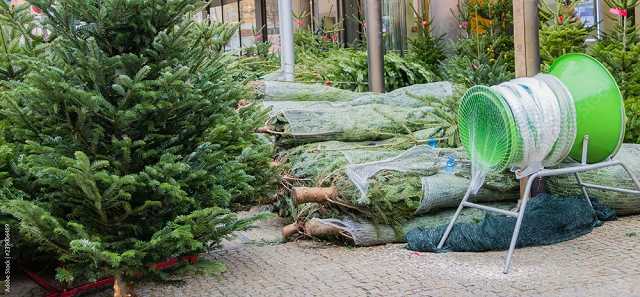
6.7 million litres — The volume of commercial sales of eggnog in Canada in December. Virtually all eggnog sales are in November and December. $449 million — The amount of monthly sales of candy, Christmas chocolate and snack foods sales at large retailers in December, the month with the highest sales. O Christmas tree, O Christmas tree 2,381 — The number of farms that grow Christmas trees in Canada. The most Christmas tree farms are found in Ontario, with 647 farms. Festively named places in Canada: For the most festively named place in Canada, why not plan a trip to Christmas Island, Nova Scotia? Then again, there is Gift Lake in Alberta, and Reindeer Station in the Northwest Territories, At Christmas, also give a shout out to Chimney Lake, British Columbia, Sled Lake in Saskatchewan, and the decoratively named Holly, Ontario. More about Christmas in Canada around the Web: Christmas in Canada - WhyChristmas.com 13 things you didn't know about Christmas in Canada - Reader's Digest
|

 Christmas
is the time of year when many Canadians get together to enjoy the holiday
season with family and friends.
Christmas
is the time of year when many Canadians get together to enjoy the holiday
season with family and friends.