|
The Feel-Good Guide to Sports, Travel, Holidays & Entertainment
|

| Main | Sports Events | Holidays & Observances | Pop Culture | Travel |
Main The
Origins of Mother's Day
Mother's Day, Muttertag, La Festa della Mamma, Mothering Sunday, Fête des Mères, Día de las Madres... it goes by many different names, but however you say it, the expression of love and appreciation is the same. Motherhood has always been celebrated. In prehistoric tribes the mother Goddess was worshiped as the creator of life. Female goddess figures are found in many archeological digs. In ancient Egypt, Isis was the Queen of Heaven who ruled over all matters concerning mothering. In ancient Greece Rhea was revered as the mother goddess and in ancient Rome it was Hera, the jealous wife of Zeus, and another mother goddess known as Cybele. Most mothering festivals in early history were in the springtime to celebrate the rebirth of the land and the beginning of the most fertile time of the year. These festivities honored the goddess in all women. The modern version of Mother's Day with families bringing Mother's Day flowers and gifts to their moms can be traced back to seventeenth century England. Mothering Sunday was the fourth Sunday in Lent...a special day when all the strict rules about fasting and penance were put aside. Older children who were away from home learning a trade or working as servants were allowed to return home for Mothering Sunday. The family gathered for a mid-Lenten feast with Mother as the special guest. Along with a rare visit from her children, mothers were given treats of cakes and wildflower bouquets. While ‘Mothering Sunday' is still celebrated, most now know it as Mother's Day. The history of Mother's Day in the rest of the world is a bit different. In the USA, the early English settlers often disapproved of the more secular holidays and the Mothering Sunday tradition never really took hold. Early attempts to have a day to honor mother's were mixed with woman's suffrage and peace movements and were not very popular. Julia Ward Howe, who wrote the words to the Battle Hymn of the Republic, suggested the idea of an International Mother's day to celebrate peace and motherhood in 1872. There were many other women who were active with local groups holding annual Mother's Day remembrances, but most were more religious gatherings and not the holiday that we know today.
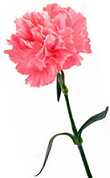
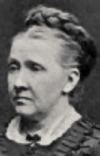
One of the women, who was working on establishing Mother's Day as a national celebration was the mother of Anna Jarvis. Mrs. Jarvis held an annual gathering, Mother's Friendship Day, to heal the pain of the Civil War. After she died in 1905, Anna campaigned for the establishment of an official Mother's Day to commemorate her mother. "Miss Anna Jarvis was as good as her word. She devoted her entire life to the struggle to have Mother's Day declared a national holiday. In the spring of 1908, Anna wrote to the Superintendent of Andrew's Methodist Church in Grafton, West Virginia, where her mother had taught Sunday School classes for over 20 years. She requested that a Mother's Day service be held in honor of her mother. Thus, the first official Mother's Day celebration was held at Andrew's Methodist Church on May 10, 1908, with 407 persons in attendance. Anna Jarvis sent 500 white carnations to the church in Grafton. One was to be worn by each son and daughter and two by each mother in attendance. Another service was held in Philadelphia later that afternoon where Anna resided with her brother. Anna had requested that the first official service be held in Grafton, where the Jarvis family had lived so much of their lives and where her mother had served for so long as a teacher and public servant." ( Mother's Day Shrine.org) Anna Jarvis' campaign is the reason we have a formal holiday. In 1914 President Woodrow Wilson declared that Mother's Day should be celebrated as a national holiday on the second Sunday in May.
Mother's Day may not have turned out to be the holiday that Julia Ward Howe, Anna Jarvis and countless other women around the world imagined, but it is a celebration of mothers...dedicated to honoring the women who give so much to their families without asking for anything in return. Perhaps every day should be Mother's Day, but most families are too busy with everyday business to say thank you for every meal or every good night kiss. Once every year, the world stops being busy and says thank you. Flowers, cards and gifts are just the outward signs. What mothers love most is the fact that their families really do notice all that they do and for one day every mom is queen for a day... Happy Mother's Day!
|