|
The Feel-Good Guide to Sports, Travel, Holidays & Entertainment
|

| Main | Sports Events | Holidays & Observances | Pop Culture | Travel |
MAIN Mother's
Day Fun Facts
Two years later, Jarvis and
friends began a letter-writing campaign to create a Mother's
Day observance.
3.9 million - Number of women between the ages of 15 and 50 who gave birth in the past 12 months. 62.4% - Percentage of women age 16 to 50 who had a birth in the past 12 months who were in the labor force. 35.7% - Percentage of women age 15 to 50 who had a birth in the past 12 months who were unmarried. 22.3% -- Percentage of women age 15 to 50 who have had two children. About 42.4 percent had no children, 17 percent had one, 11.7 percent had three, and about 6.8 percent had four or more. 31.8% - The percentage of women who had given birth in the past 12 months who had a bachelor's degree or higher.
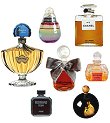
86.8% - Percentage of women age 15 to 50 who gave birth in the past year and who have at least a high school diploma or equivalent. Mothers Day Gifts, Cards & Flowers 11,775 - Number of florists nationwide 2019 who will be selling the Top Ten Mother's Day flower bouquets this Sunday. The flowers you buy mom probably were grown in California or Colombia. 13,718 - Number of employees in US greeting-card publishing establishments who help supply Mother's Day greeting cards. 17,800 - The number of cosmetics, beauty supplies and perfume stores nationwide in 2019. Perfume is one of the most popular gifts given on Mother's Day. 19.336 - Number
of jewelry
stores in the United States in 2021 -- the place to purchase necklaces,
earrings and other timeless pieces for mom. New Moms
40% - Percentage of births taking place annually that are the mothers' first. 62,228 - 1 of every 62 births in the US accounted for an out-of-hospital birth. Home births increased by 77% from 2004–2017, while birth center births more than doubled. 1-in-32 - Number of twin births per 1,000 total births in 2019. August - The month with the highest number of births, with 341, 685 taking place in that month in 2019. Tuesday - The most popular day of the week in which to have a baby, followed by Thursday. Sunday is the slowest day, with 35.1 fewer births than average. Stay-at-Home vs Working Moms 856,238 The number of day-care centers across the country to which mothers turn to help juggle motherhood and careers. 32% The number of married-couple households in the U.S. with children who are under 18 have a stay-at-home parent. Of those, more than eight in ten have a stay-at-home mother.
54%
and 79% - Percentages of children younger than 6 who eat
breakfast and dinner, respectively, with their mother every day.
The corresponding percentages who eat with their father were 41
percent and 66 percent. Source: US Census Bureau also see -> Mother's Day Facts & Figures - Past & Present
|
||||||||||||||||||

 Feasts celebrating
mothers have existed throughout the world since the beginning
of time. The modern version of Mother's Day in the United States,
was first observed in 1907.
Feasts celebrating
mothers have existed throughout the world since the beginning
of time. The modern version of Mother's Day in the United States,
was first observed in 1907.