 |
||
|
The Feel-Good Guide to Sports, Travel, Shopping & Entertainment
|
||
| Main | Sports Events | Holidays & Observances | Pop Culture | Shopping | Travel |
|
MAIN
Up until
modern times, petroleum oil was used only occasionally - including
the 8th century when petroleum was used to create tar, which
was used to pave the streets of ancient Baghdad.
Add to that the current controversy over global warming that hinges on worldwide use of oil, coal and natural gas. which releases heat-trapping carbon dioxide into the atmosphere. The widespread use of these fossil fuels,
scientists say, is a major reason for higher temperatures
currently being recorded around the world including longer
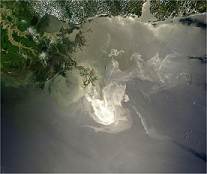
heat waves, droughts, and worsening wildfires. As sources of land oil drilling become more scarce, oil companies are more often looking to tap into hidden reserves in the world's oceans. The hazardous practice has gained worldwide attention recently as the Deep Horizon oil spoil effectively puts in jeopardy fishing and the tourism economy throughout the Gulf coast which is now experiencing the worst oil spill in US history.
Once we reach the peak of production, which is predicted to
happen sometime before the year 2020, the amount of oil being
produced and refined will begin to fall, while the global
demand for energy will continue to rise.
More oil energy information & opinion around the Web:
Petroleum industry - Wikipedia - The grand sweep of information including its history, current production and distribution, environmental impact and predictions on future shortages, with related resources and references. Energy 2050 - Insights from the ground up - McKinsey report on the future of oil and gas with predictions on growth and demand, plus related studies on renewable energy. |

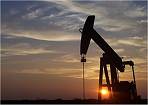 Although
today "big oil" is responsible for most of the world's
energy resources, its history is a relatively short one.
Although
today "big oil" is responsible for most of the world's
energy resources, its history is a relatively short one.