|
The Feel-Good Guide to Sports, Travel, Shopping & Entertainment
|

| Main | Sports Events | Holidays & Observances | Pop Culture | Shopping | Travel |
|
2025 Daylight
Saving Time "Spring Ahead, Fall Back"
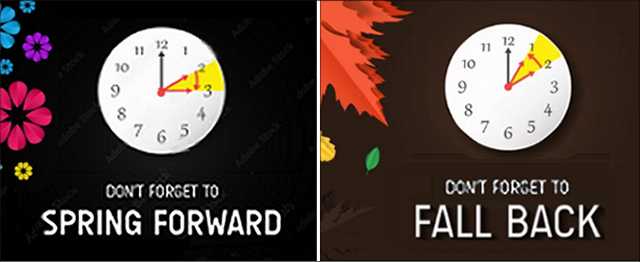
Sunday, March 9, 2025 at 2AM is the time to set clocks ahead one hour in the US and Canada. Sunday, November 2, 2025 at 2AM is the time to set clocks back one hour in the US and Canada.
It was in the early 20th century when Germany became the country that first adopted daylight saving time, which was quickly followed by several other European countries. Today, more than 70 nations around the world use DST to take advantage of longer summer hours by setting clocks ahead in spring and back in the fall. The observance of daylight saving time (more commonly known in various parts of the U.S. as "daylight savings time") remains controversial. Soon after it was enacted, American farmers actually had daylight saving time repealed in favor of "God's time" and, although the movement was short-lived, in many rural areas the sentiment remains.
New US legislation took effect in 2007, allowing Americans to enjoy more daylight beginning in March and ending in November, adding extra days to the traditional April-October daylight saving time span. Today, the observance serves a dual purpose in that it also marks the time to change the batteries in household fire and smoke alarms in many communities. Bucking tradition, the sun-drenched states of Arizona and Hawaii are the only places in the continental U.S. that still do not observe daylight saving time, but instead stay on "standard time" year round.
More about daylight saving time around the Web:' Daylight Saving Time - Wikipedia - The grand sweep of DST history, including modern day usage and terminology with related resources. A Brief History of Daylight Saving Time - Interesting read, beginning with Ben Franklin's thoughts on the subject. Daylight Savings ecards - Yes, there's a card for that. Send them as a funny greeting to remind your friends.
also
in Holidays & Observances -> First
day of Spring | First
day of Fall
|
 In the US and Canada, daylight saving time begins on the second Sunday
in March, when clocks are set ahead one hour. Daylight saving time ends on the first Sunday in November when clocks are set back one hour.
In the US and Canada, daylight saving time begins on the second Sunday
in March, when clocks are set ahead one hour. Daylight saving time ends on the first Sunday in November when clocks are set back one hour.